Software will set you free.
The new medium no one talks about
 By JessOct 8, 2026
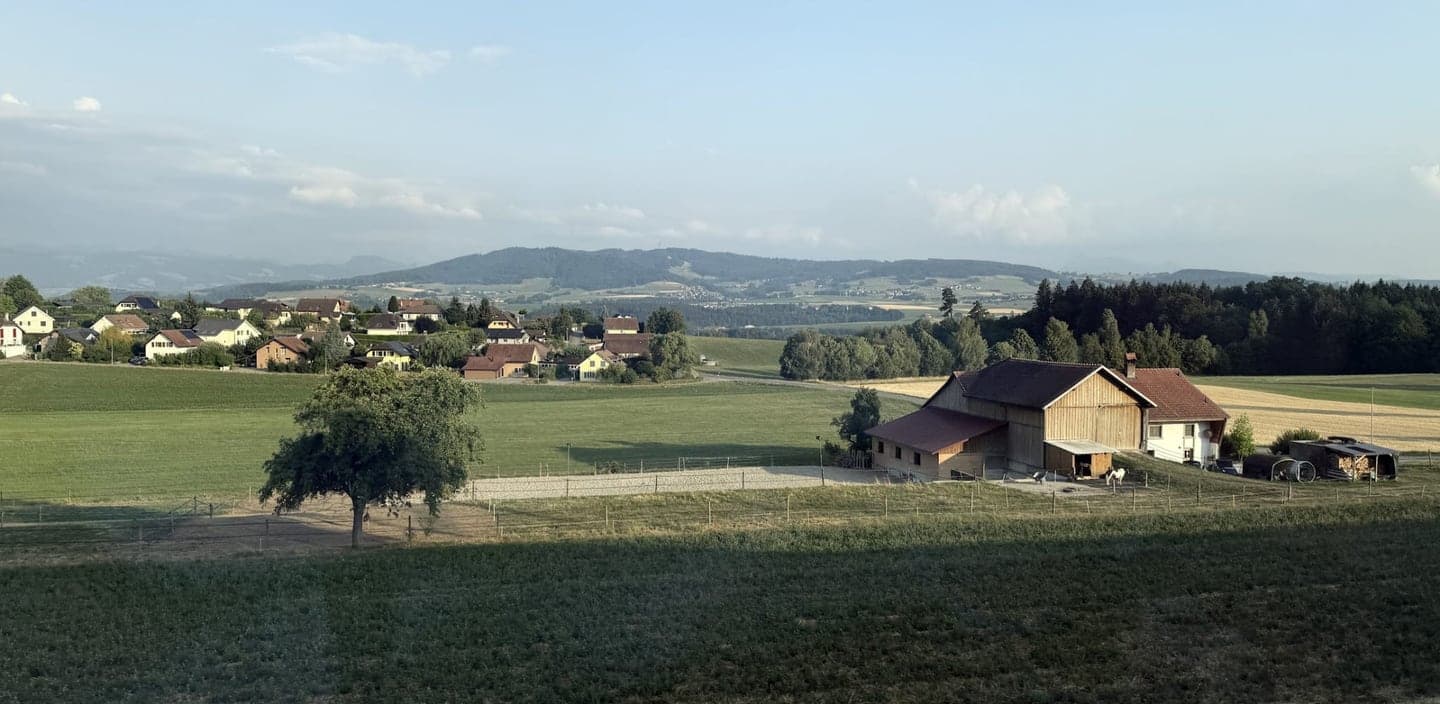
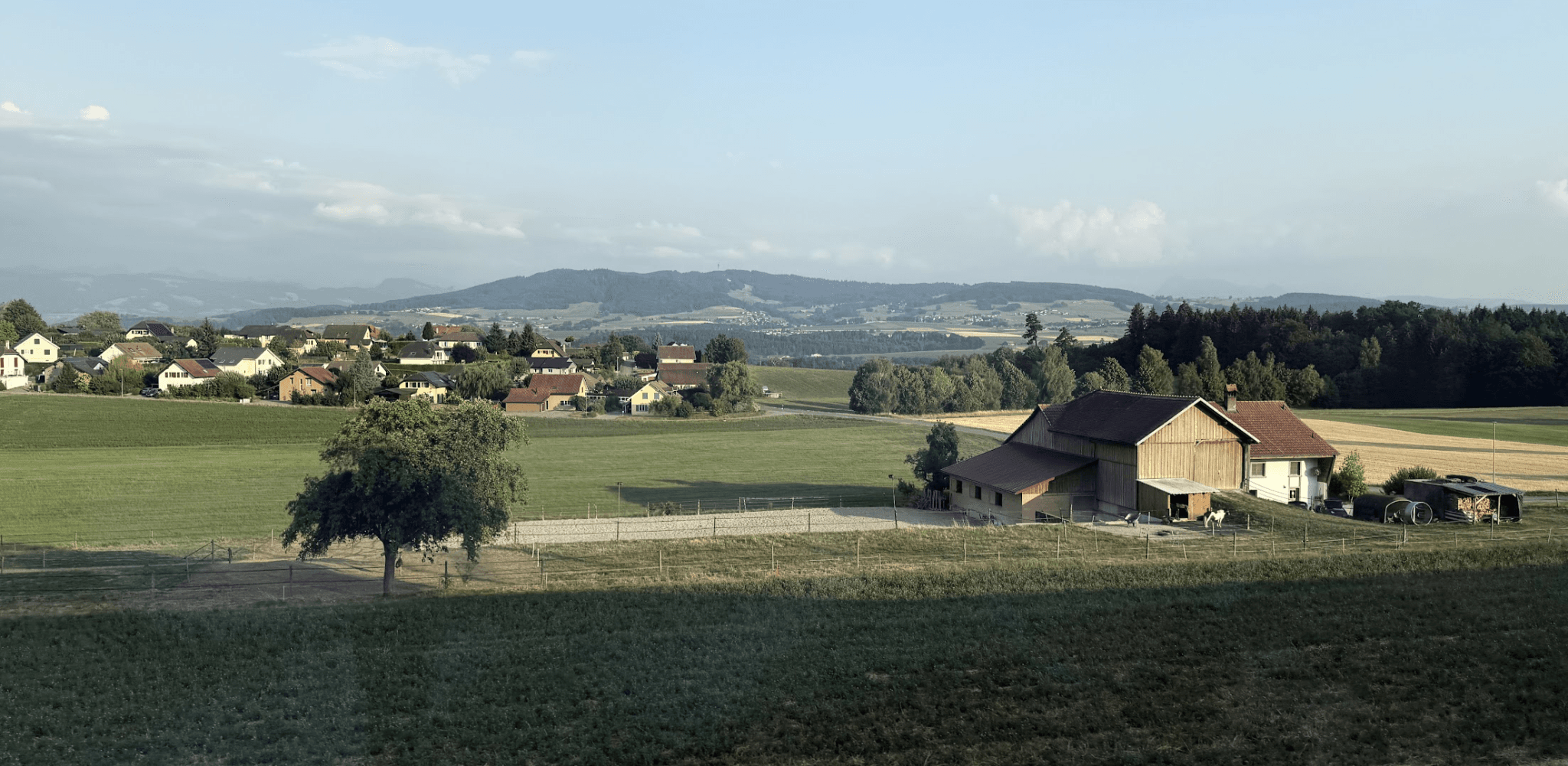
I sat on the train from Geneva to Zurich, watching endless stretches of farmland roll by. It was July, and my final three hours in Switzerland following a weekend I spent hiking the Alps and indulging in the works of Cézanne with two close friends from college. We hadn’t seen each other for a while so unsurprisingly, we spent most of that weekend in fits of laughter over old inside jokes, gossiping about who has fallen off, and consuming a volume of wine that calorically can never happen again.
It was a weekend for the books, yet on my train ride back, I couldn’t stop my eyes from welling up. The simplest explanation is I was mourning a relationship that ended a week before my trip, but that didn’t feel like an honest reason. After all, I was surrounded by friends in beautiful, sunny Switzerland. The culprit of my tears wasn’t my breakup; it was a little song titled ‘Cigarette Smoke’ by Olivia Rodrigo playing through my AirPods that single-handedly eliminated all the dopamine I accumulated over the course of an amazing weekend.
Music has the power to affect your life. A hype song will help you set a new gym PR, a love song will have you confessing your feelings, and a sad song will make you break down on a packed rush hour subway. The same can be said of any form of expression—movies, books, poems, paintings, even video games and memes. It’s safe to say that technology has infiltrated every corner of our lives, and as the barriers to creating it lower, the question I find myself asking is:
Can we create software that makes us feel as emotional as a song can?
Expression
The summertime sadness inflicted by my breakup was like no other sadness I’ve ever experienced. Between bedrotting in tear-soaked blankets and my mom’s numerous (failed) attempts to coax me into eating a meal, I felt a creative restlessness that pleaded with me to channel my big feelings into some external expression. Random spurts of energy resulted in dozens of drawings, essays, and poetry that should never see the light of day. While I felt inspired to create and share my feelings, I was struggling to find the right medium. None of the words or colors I could put on a page truly captured how I felt.
It wasn’t until weeks later that inspiration struck me again. I was in the angry stage of mourning and while ruminating in the shower, my mind wandered to the idea “What if I coded something to fuck with him?” Of course, I wouldn’t actually mess with him, I would just make a joke out of it. My idea was to make a disposable piece of software which would function as nothing more than a prop in the punchline of my joke. Out of this idea came @localhostbarbie, a bot that signs your cheating ex up for 500 spam emails, 5.5M views, and an audience who emotionally resonated.
New Media Mediums
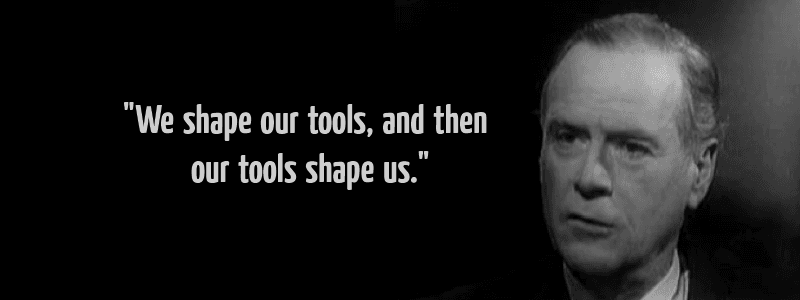
Most conversations about the present media landscape dissect things by distribution channels and audiences served. Few conversations discuss the form that the media actually takes, which is—to make a cliché reference—McLuhan’s concept that “The medium is the message”.
In the current meta, software is easy enough to make by anyone who can use a computer, yet the average social media user is still largely ignorant to this. When a message is portrayed through a piece of software, the act of creating the software carries an implied level of effort. Perhaps this explains the phenomenon of vibecoded projects doing viral rounds on X or the handful of creators taking over Instagram and Tiktok with coding projects. There seems to be an unspoken social contract that when someone puts a certain amount of effort and thoughtfulness into a project, we cast our votes for them to be algorithmically rewarded.
While traditional media scrambles to adapt to winning attention in denominations of a 2 second scroll through someone’s feed, software emerges as a time-agnostic format. A website doesn’t demand a viewer to stay on for either 5 seconds or an hour. Users are free to pass through or stay as long as they please. Its non-linear nature fills the awkward gap created by old vs. new media.
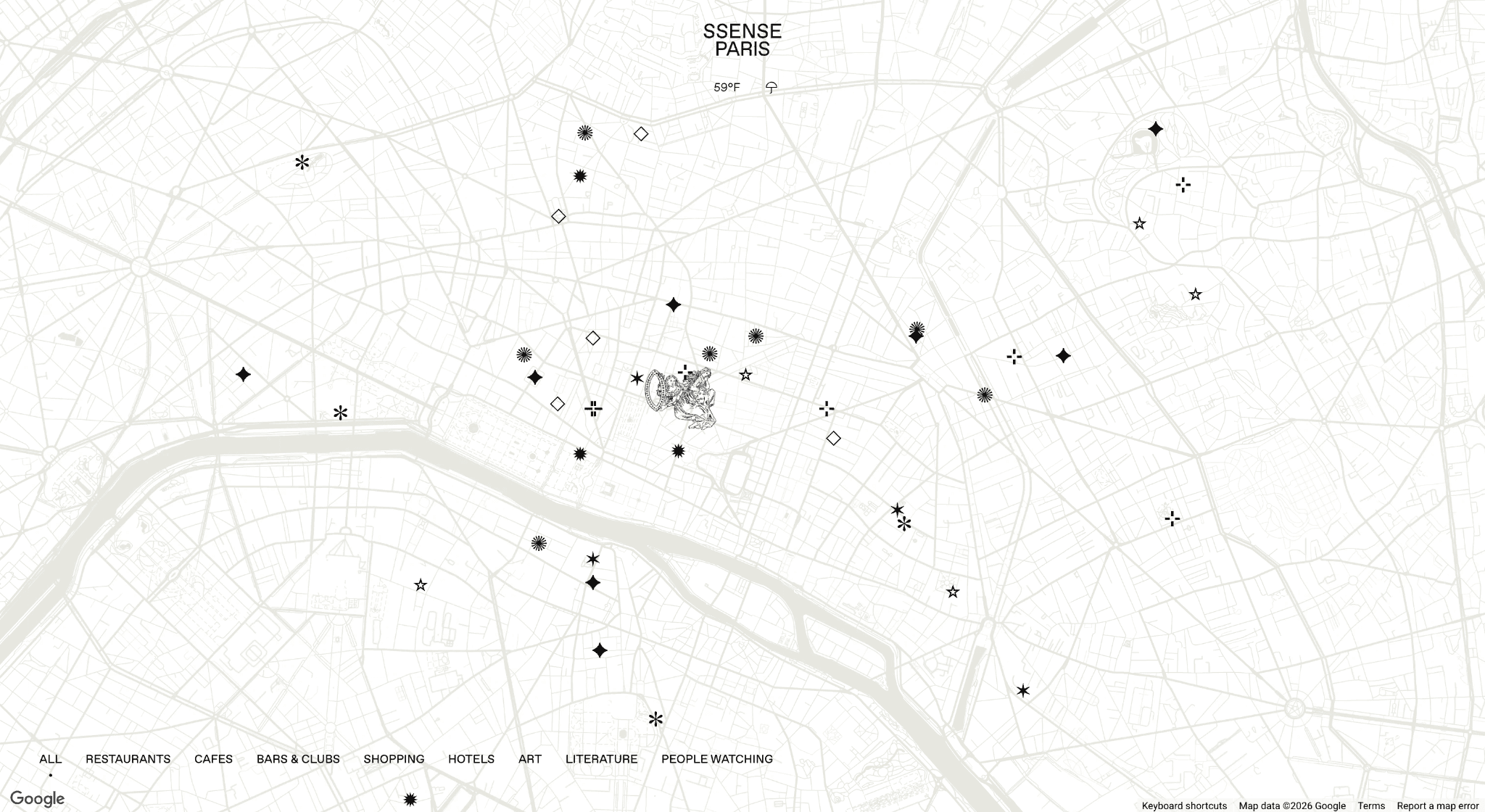
We’ve already seen companies like Netflix, SSENSE, and Ramp invest in projects that treat software as an expressive medium through mini games, city guides, and world building artifacts. The beauty of these projects is their malleability as they can serve as lone-standing artifacts, content for other channels, or props in other formats.
Software can Make You Feel. Software is a Malleable Medium. So what?
All any artist has ever wanted is to make people feel. Software has the power of being an infinite portable canvas that supersedes the constraints of time and physicality. You can write programs that impact the real world through controlling robots, or programs that influence the future through time-based triggers. It’s a form of expression that fits in our pockets and can be accessed across the world.
When I made my viral spam email bot a month ago, my only intention was to get my frustration out so I could move on from my breakup. My DMs are now flooded with people sharing their heartbreak stories and resonating with the emotions I expressed. This proves that software can be used as an expression the same way music can be, and I believe there are still numerous unexplored movements beyond the fun and cute projects that are popular at the moment.
There is empowerment in knowing that software doesn’t need to be a big, bland, utilitarian project. It can be as ephemeral as the feelings we are trying to capture—a future that holds artists, fandoms, and movements is ours to discover.